

BREAKING NEWS – Negros Oriental Coastal Pollution Alert 🌊⚠️
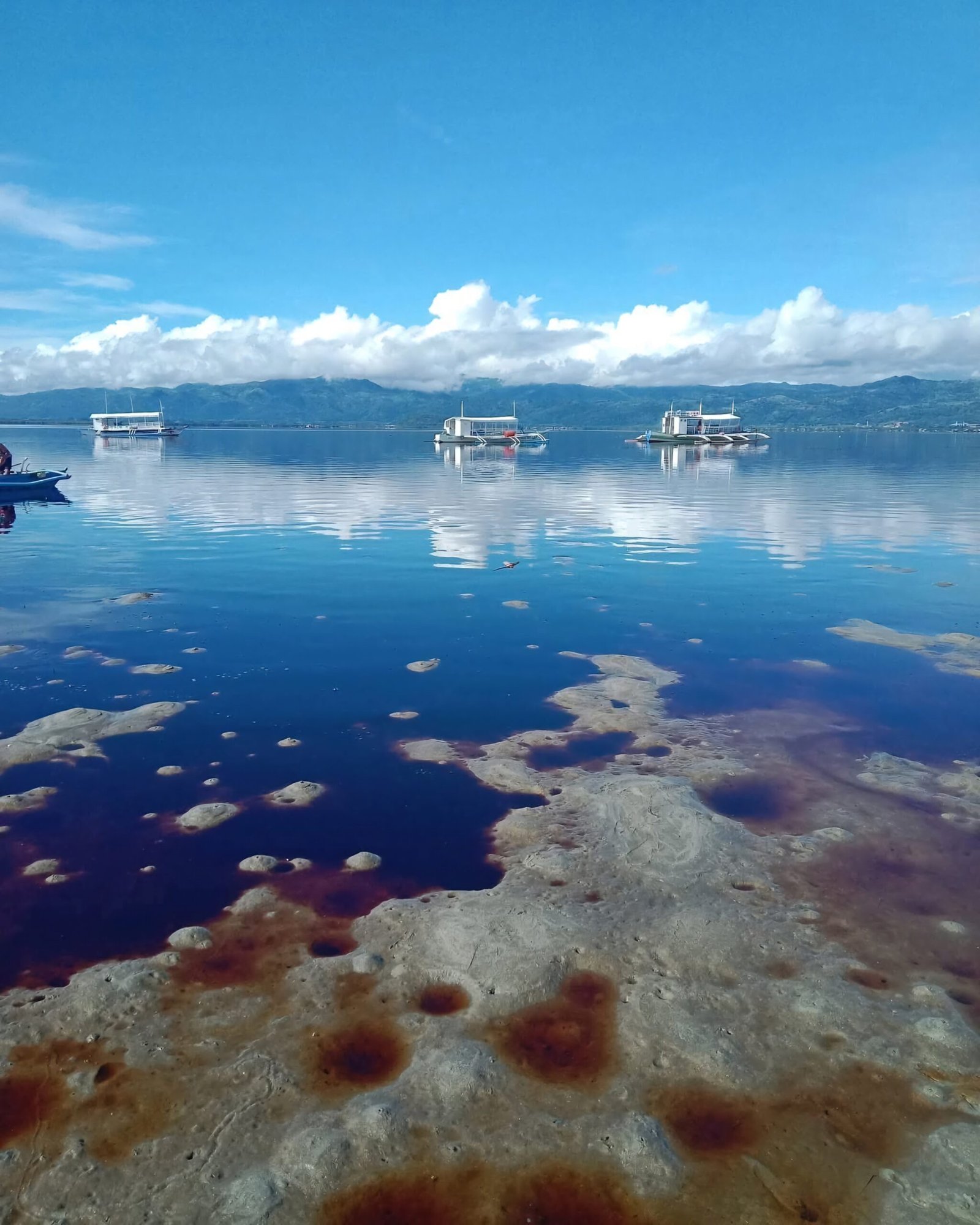
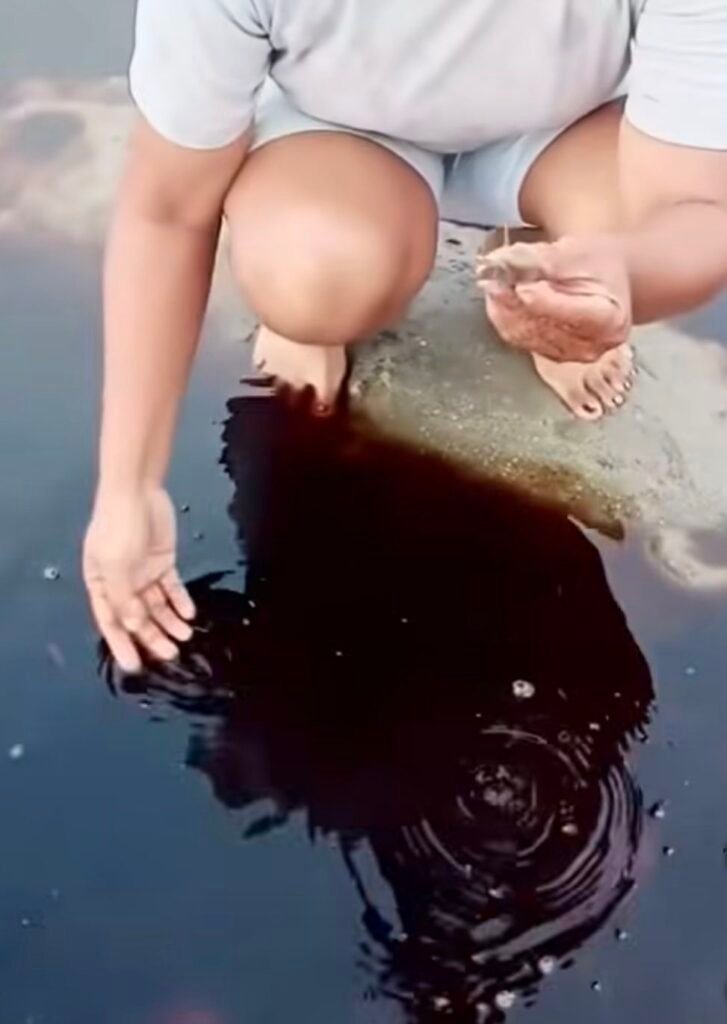
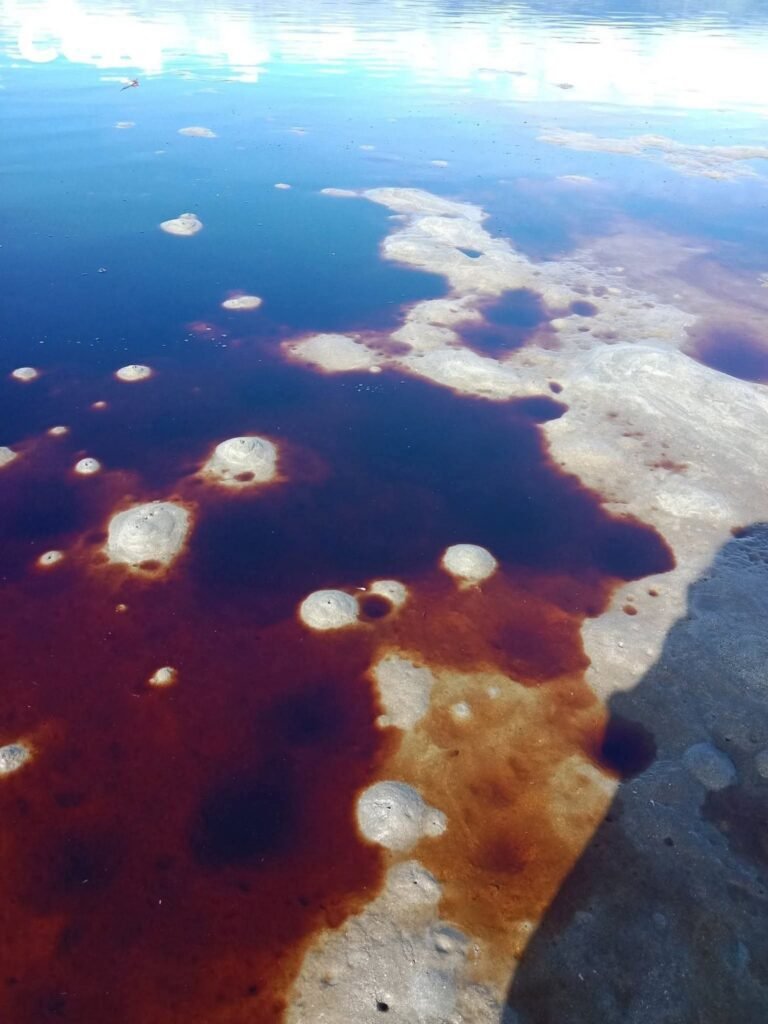
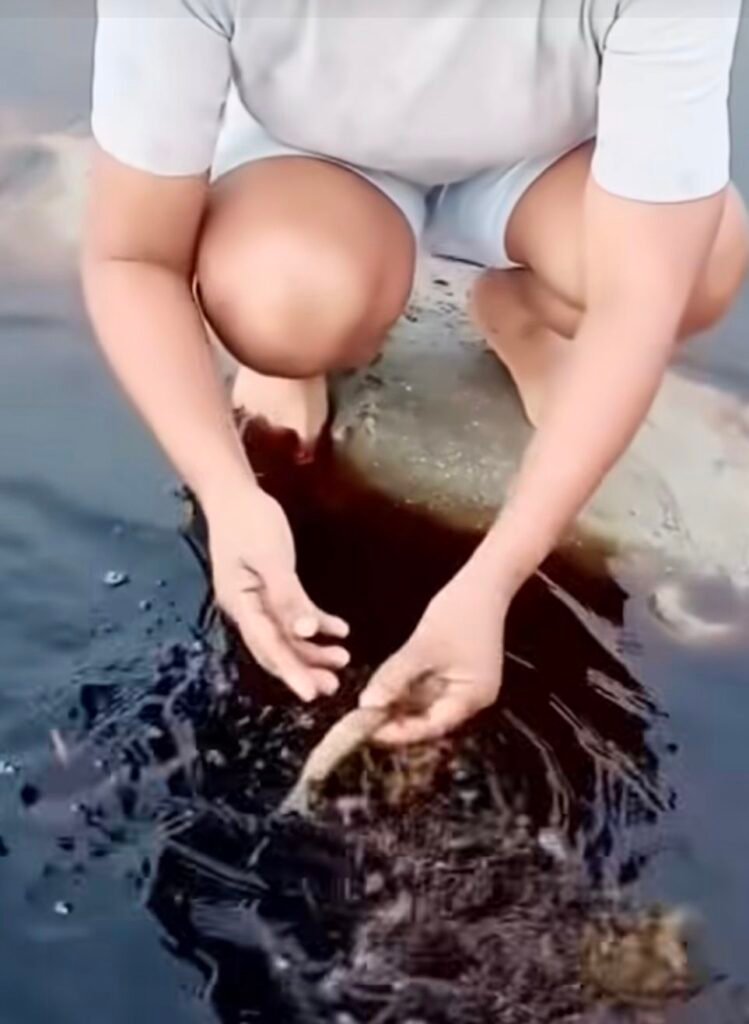
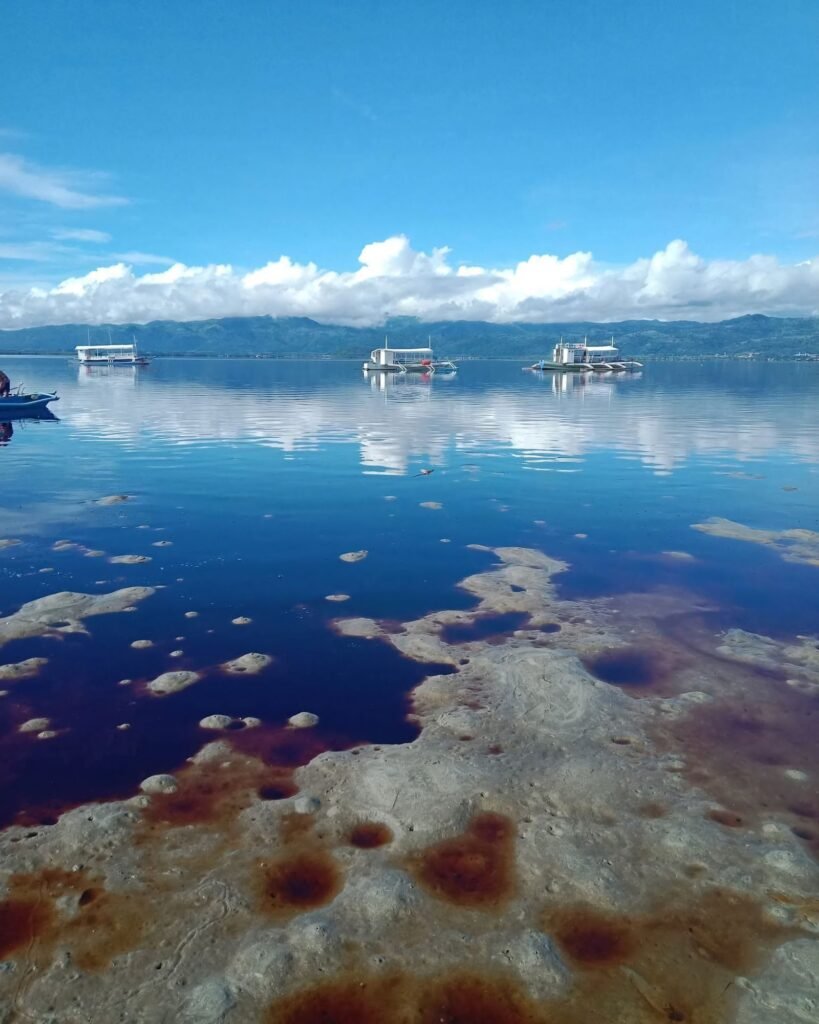
Bais–Manjuyod, Negros Oriental (October 27, 2025) — A significant environmental incident has occurred along the coast of Bais and Manjuyod after the collapse of a waste-storage structure at a fuel-ethanol/distillery facility. Multiple shorelines reported dark, discoloured water and oily-type sheen today.
What occurred
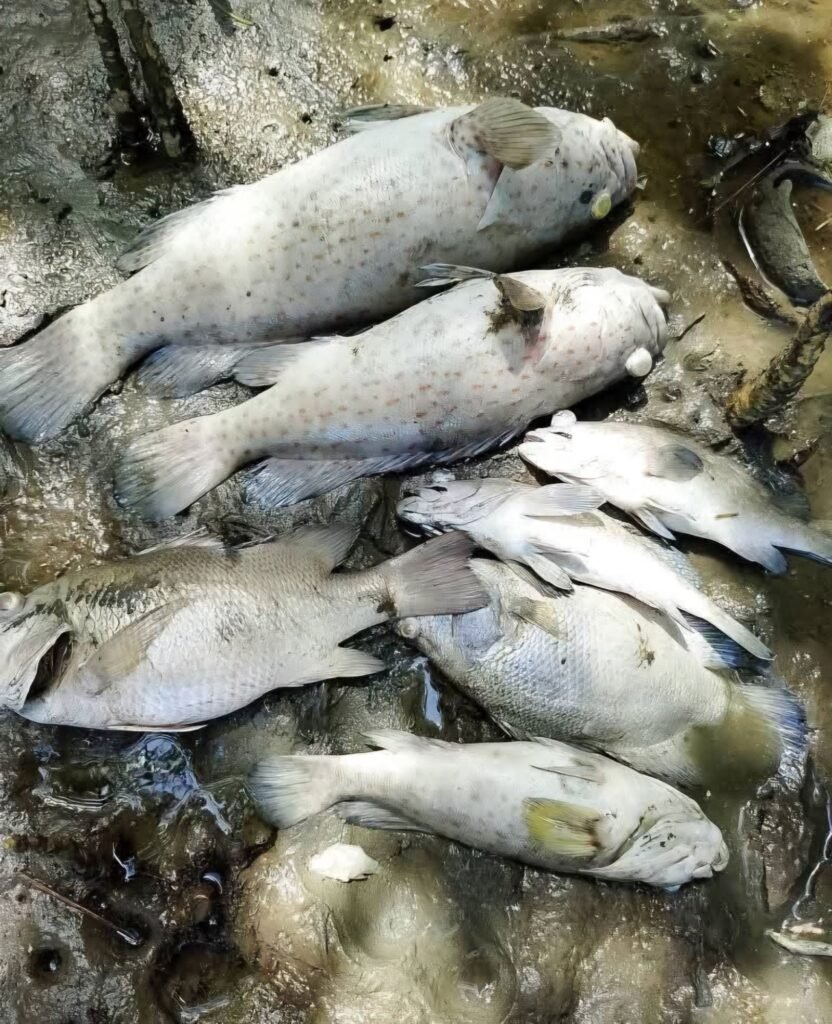
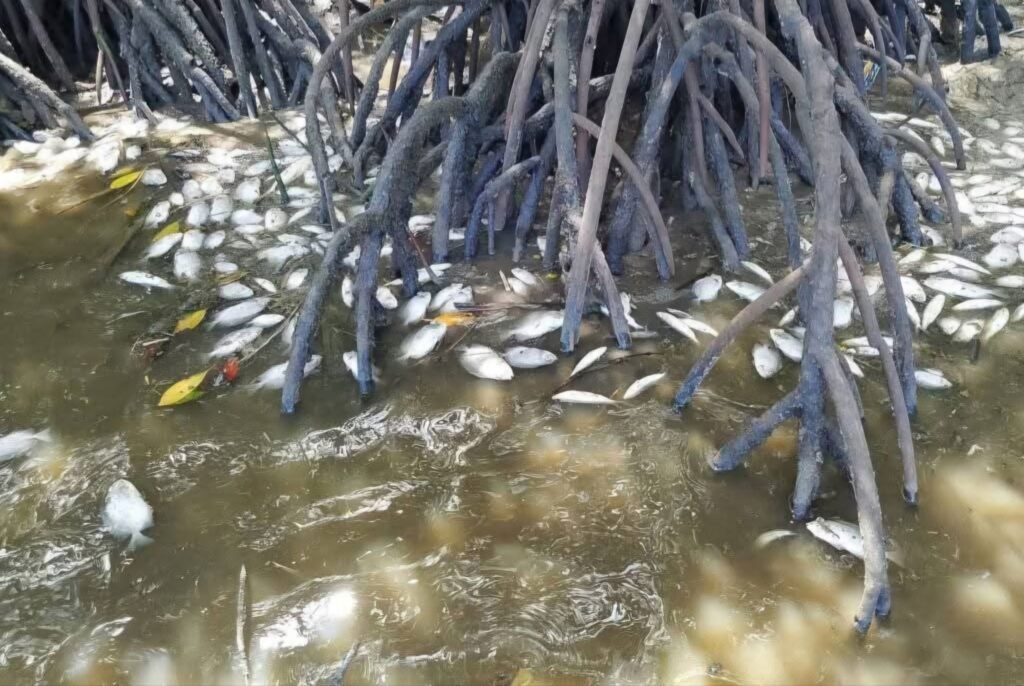
According to photo and eyewitness reports, the collapse at a waste-storage area of the distillery led to discharge of large volumes of untreated liquid into the adjacent sea. The afflicted waters exhibit a dark brown to black hue, unusual turbidity and apparent dead fish in some spots.
Why the water turned black (but not simply due to “ethanol”)
- Technically, pure ethanol is colourless; the dark coloration likely indicates “spent wash” or “vinasse” — a by-product of molasses-based distilling processes that contains high organic loads and pigments (melanoidins).
- Such effluent is rich in biodegradable organic matter, has high BOD/COD (oxygen demand), and strong colour/odour signatures.
- Once in the marine environment, the organic load can rapidly deplete dissolved oxygen, degrade water clarity and interrupt light penetration.
- The cumulative effect: water turns dark, marine life suffers, benthic communities become stressed, and visible pollution marks the shoreline.
Environmental impacts & community risks
- Oxygen depletion – As microbes break down the organic waste, dissolved oxygen (DO) is consumed, creating low-oxygen (hypoxic) zones which can kill fish and other marine organisms.
- Light blockage & ecosystem damage – Dark tinted water reduces sunlight reaching seagrass, coral and plankton, disrupting their growth and the wider marine food web.
- Coastal and benthic stress – Sediments and toxic by-products can accumulate, harming shellfish, coral recruits, seaweed beds and other sensitive organisms.
- Livelihood impacts – Fishing communities and coastal livelihoods could face immediate losses (dead/moribund fish, prohibited harvesting zones), and longer-term ecosystem damage threatens future yields and tourism.
- Protected area implications – The area in question is adjacent to the Tañon Strait Protected Seascape, a vital marine habitat; contamination here carries amplified ecological and regulatory consequences.
Facility & past context
The facility under scrutiny is operated by Universal Robina Corporation (URC) in Brgy. Tamisu, Bais City, which processes fuel ethanol and distillery by-products. In past years, this facility has been subject to investigations for fish-kill incidents and waste discharge complaints. The current event appears to be another major spill/discharge event tied to the waste-storage system collapse.
Possible company liability
Should investigations confirm that the facility’s effluent reached the sea and caused damage, possible liability avenues include:
- Under the Philippine Clean Water Act of 2004 (RA 9275), discharging pollutants without the necessary permit or failing to meet effluent/receiving-water standards may trigger fines, orders for corrective action or closure, and even criminal sanctions for willful neglect.
- Under the EIS system (Presidential Decree No. 1586) if the Environmental Compliance Certificate (ECC) contains conditions that the facility failed to meet (e.g., waste-storage integrity, emergency spill prevention) then suspension or revocation of the ECC is possible.
- Under the Philippine Fisheries Code of 1998
Bais #NegrosOriental #EthanolSpill #TañonStrait #URC #EnvironmentalDisaster #CleanWaterAct #DENR #BFAR #MarinePollution #AccountabilityNow #BreakingNewsNegrosOriental #fblifestyle #PhilippineEnvironment #FishKill #ProtectOurSeas #NegrosIsland #ClimateAction #SustainableFuture #EcoWatch #SaveTanonStrait #MarineLifeMatters
